Indus River Travel Guide
River·00
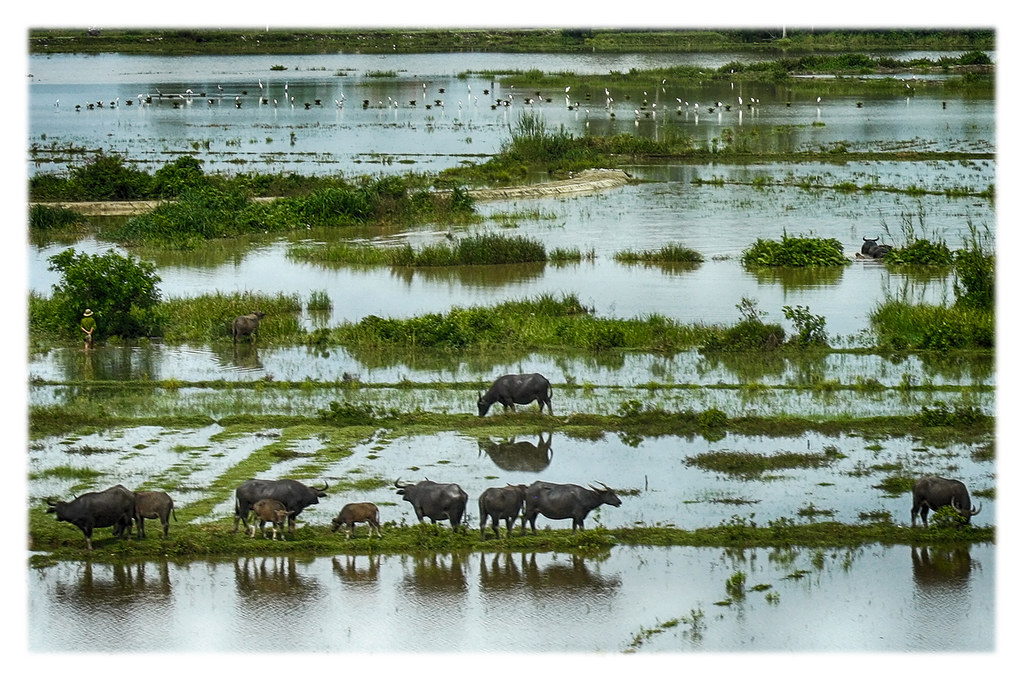
Daniel Mennerich / Openverse (flickr) · by-nc-nd · via Openverse
| Coordinates | 23.9925, 67.4344 |
|---|---|
| Category | Waterfront, Waterfront, Outdoor, Nature |
| Nearest city | Regional hub - biggest city in its area |
| Region | 00, China |
| Sources | geonames |
Indus River Travel Guide
Indus River is a river in 00, China. This guide covers how to visit it, what to expect and how to build a day around it.
Indus River at a Glance
- What it is: river (Waterfront)
- Where it is: 00, 00, China — coordinates 23.9925, 67.4344
- Why it is listed: a source-verified entry in the CollabsTravel master database, matched against official gazetteer and geographic records before publication
- Time needed: two to four hours
- Best season: June to September for warm water, shoulder months for space
Quick Facts
| Place type | River |
| Primary category | Waterfront |
| Also good for | Waterfront, Outdoor, Nature |
| Region / state | 00 |
| Country | China |
| Coordinates | 23.9925, 67.4344 |
Why Indus River Is Worth Visiting
Indus River earns its place in this guide for a simple reason: it is a verified waterfront in 00, China,. Visitors book it for waterfront, outdoor, nature as much as for waterfront. And unlike listicle recommendations, everything on this page - coordinates, category, sources - was checked against official records before publication.
About Indus River
In plain terms, Indus River is a river in the 00 area of 00, China that travellers book around waterfront trips. Beyond its main draw, the record tags it for waterfront, outdoor, nature too, so it rewards more than one kind of visit. Everything stated on this page comes from that verified record; where background history is quoted, the source is named at the end of the section.
The Story of Indus River: History & Background
The Indus ( IN-dəs) is a transboundary river of Asia and a trans-Himalayan river of South and Central Asia. The 3,180 km (1,980 mi) river rises in the Tibet Autonomous Region of China where it is known as Sengge Zangbo, flows northwest through the disputed Kashmir region, first through the Indian-administered Ladakh, and then the Pakistani-administered Gilgit-Baltistan, bends sharply to the left after the Nanga Parbat massif, and flows south-by-southwest through several provinces of Pakistan, before bifurcating and emptying into the Arabian Sea, its main stem located near the port city of Karachi.
The Indus River has a total drainage area of circa 1,120,000 km2 (430,000 mi2). Its estimated annual flow is around 175 km3/a (5,500 m3/s), making it one of the 50 largest rivers in the world in terms of average annual flow. Its left-bank tributary in Ladakh is the Zanskar River, and its left-bank tributary in the plains is the Panjnad River which is formed by the successive confluences of the five Punjab rivers, namely the Chenab, Jhelum, Ravi, Beas, and Sutlej rivers. Its principal right-bank tributaries are the Shyok, Gilgit, Kabul, Kurram, and Gomal rivers. Beginning in a mountain spring and fed with glaciers and rivers in the Himalayan, Karakoram, and Hindu Kush ranges, the river supports the ecosystems of temperate forests, plains, and arid countryside.
Geologically, the headwaters of the Indus and to their east those of the Yarlung Tsangpo (later in its course, the Brahmaputra) flow along the Indus-Yarlung suture zone, which defines the boundary along which the Indian plate collided with the Eurasian plate in the Early Eocene (approximately 50 Million years ago). These two Eurasian rivers, whose courses were continually diverted by the rising Himalayas, define the western and eastern limits, respectively, of the mountain range. After the Indus debouches from its narrow Himalayan valley, it forms, along with its tributaries, the Punjab region of South Asia. The lower course of the river ends in a large delta.
Historically, the Indus was important to many cultures. The 3rd millennium BC saw the rise of Indus Valley Civilisation, a major urban civilization of the Bronze Age. During the 2nd millennium BC, the Punjab region was mentioned in the Rigveda hymns as Sapta Sindhu and in the Avesta religious texts as Hapta Həndu (both terms meaning "seven rivers"). Early historical kingdoms that arose in the Indus Valley include Gandhāra and Sindhu-Sauvīra. The Indus River came into the knowledge of the Western world early in the classical period, when King Darius of Persia sent his Greek subject Scylax of Caryanda to explore the river, c. 515 BC.
Lead passage from the Wikipedia article "Indus River", reused under CC BY-SA 4.0 with a coordinate-verified name match; the source article carries the full referenced history.
The Beauty of Indus River
What people mean when they call Indus River beautiful is usually still or running water framed by its banks - the classic calm-morning reflection shot that lakes and rivers give freely. The light does most of the work: low-latitude light keeps greens deep and skies dramatic; the difference between hours, not seasons, drives the look. The seasons restyle everything around it - summer brings the classic bright-blue postcard palette, while shoulder seasons trade colour for empty space and storm drama. It also keeps an unspoiled feel precisely because it is not yet on every must-see list, which is worth more than any filter on the photos you take here.
Getting There
Indus River sits at 23.9925, 67.4344 in 00, China. Most visitors reach it by car, regional rail or local transit; pin the coordinates above rather than only the name - Indus River names repeat across regions, and rural entries often lack street addresses.
Best Time to Visit
Late spring to early autumn (May to September) brings the warmest and most reliable conditions across China. Shoulder months just before and after that window trade a little weather for noticeably lower prices and thinner crowds.
Indus River Season by Season
- Summer (Jun-Aug) - peak season: the warmest, longest days and everything open, which also makes it the priciest and busiest window
- Autumn (Sep-Nov) - shoulder season: crowds drain away, the light turns photographic, and lodging rates typically fall
- Winter (Dec-Feb) - off-season: cheapest beds and empty viewpoints, but check for closures, snow or rain before committing
- Spring (Mar-May) - rebuild season: wildflowers, newborn wildlife and reopened facilities - the best balance if the weather holds
Things to Do
Planning what to actually do at Indus River comes down to the setting it sits in:
- Arrive with the exact coordinates (23.9925, 67.4344) pinned in your maps app — rural place names repeat across states
- Kayak, SUP or small-boat rentals run closest to the access points listed on the county map
- Shoreline walks connect most launch points — good plan for non-boaters in the group
- Early morning gives flat water for photography and the parking spots before wind builds
None of this needs a rigid schedule - the honest pattern at Indus River is one anchor at the water's edge, one longer stop, and the rest of the time left for whatever looks better from the car window. That flexibility is what separates a good half-day from a rushed one.
A Perfect Day in Indus River
Morning (start early). Have breakfast at Indus River and roll out before mid-morning - the light is softer, parking is open, and Indus River is at its quietest before the day-trippers arrive. Give the main stop its full due first rather than saving it for later.
Midday. Pack food and water - services near spots like this thin out fast, and the stop before the next one can be a long way off.
Afternoon. Head back slowly, stopping at anything that caught your eye on the inbound drive - the return leg is where the best unplanned photos happen.
Golden hour. End at the main viewpoint, waterfront or main street as the light drops; this is the hour Indus River is genuinely famous for locally, and it costs nothing.
Evening. Sleep at Indus River unless the road out is long - leaving at dusk is the one mistake that can flatten an otherwise perfect day.
Know Before You Go to Indus River
- Save the pin (23.9925, 67.4344) offline - reception in 00 is exactly as good as it needs to be and no better
- Check the official source listed at the bottom of this page for current hours, fees and closures before driving out
- Tides and ferry timetables run the day - check both before setting an arrival time
- Sun protection at water level is a different sport; the shade list is short
Planning More of Your Trip
See everything in China on the China country hub, browse the full Waterfront China collection, or take in the whole 00 region.
Frequently Asked Questions
Is Indus River worth visiting?+
Yes, if you are in the area for more than a single day. Indus River is a verified river in 00, China that most drive-by lists miss, and the official-record provenance behind this page means the location, name and access facts are checked rather than guessed. Give it two to four hours.
Where exactly is Indus River?+
Indus River is in 00, China, at coordinates 23.9925, 67.4344. Use the coordinates rather than the name alone - place names repeat across regions, and a map pin beats a keyword search.
How far is Indus River from the nearest city?+
The nearest named base on this guide is close enough that distance is not the constraint; the Quick Facts table lists the exact road-town km, and every place here is reachable as a same-day loop from a regional hub.
What is the best time to visit Indus River?+
June to September for warm water, shoulder months for space. Book the shoulder months either side of that window for the same scenery at lower prices, and check seasonal closures before fixing dates.
How long do you need at Indus River?+
Plan on two to four hours for a first visit - the highlights at a normal pace without rushing. Add another half day if you want to combine it with the nearby places listed above.
Is Indus River good for families with kids?+
Yes - short distances, services nearby and the flexibility to bail after an hour all make Indus River a realistic family stop. The main kid-risk is over-scheduling: one anchor per day beats three.
Does Indus River cost anything to visit?+
Most public places like this have no entry fee, but parking, guided programs and seasonal shuttles are the usual small costs. Confirm current fees with the official source cited on this page - they change more often than guidebooks do.
What is near Indus River?+
This guide's verified map covers the whole area around it; the Nearby Places section above lists what sits closest and how far each one is, which is how locals actually build a day.
Is Indus River open to visitors, and do you need a permit?+
Public places listed here are visitable by default; the permit exceptions are usually specific activities (backcountry camping, drones, commercial photography) rather than the visit itself. Check the cited official source for anything activity-based.
Should you visit Indus River in bad weather?+
Rain reshapes rather than ruins the day - viewpoints become cloud-scapes and trails get muddy. Keep Indus River as a fair-weather item on your trip and swap in the covered alternatives from the regional list when the forecast turns.
What makes Indus River different from other places like it?+
Its exact combination: a river in 00, China with verified coordinates and, where listed, an official designation. The difference is usually the setting and the access pattern rather than the category label - the facts table on this page shows that specifically.
Can you visit Indus River as a day trip?+
Yes - at two to four hours on site, a day loop is realistic: morning at Indus River, one nearby stop, and home by evening. The Perfect Day section above has the hour-by-hour version.
What is Indus River known for?+
In the wider record, river-class place: The Indus ( IN-dəs) is a transboundary river of Asia and a trans-Himalayan river of South and Central Asia. This guide adds the practical layer - verified coordinates, access, seasonality and what to combine it with.
What is the most beautiful thing about Indus River?+
The honest short answer is in The Beauty of Indus River section above, but distilled: what people mean when they call indus river beautiful is usually still or running water framed by its banks - the classic calm-morning reflection shot that lakes and rivers give freely. Come for the light and the setting rather than a single checklist object.
Is Indus River crowded?+
Indus River sits below the headline-name tier in its region, so crowding is an event-and-weekend problem rather than a standing one. Weekday mornings in the shoulder season are the quietest version of the visit.
What is the history of Indus River?+
The History & Background section above quotes the coordinate-verified Wikipedia lead for Indus River, which is the shortest trustworthy path into its past - dates, name origin and the events that shaped it, with the full referenced article linked there. ## Source Verification This guide's facts come from official public datasets: [Geonames record 1115007](https://www.geonames.org/1115007). Location data is reviewed in per-state batches before publication.