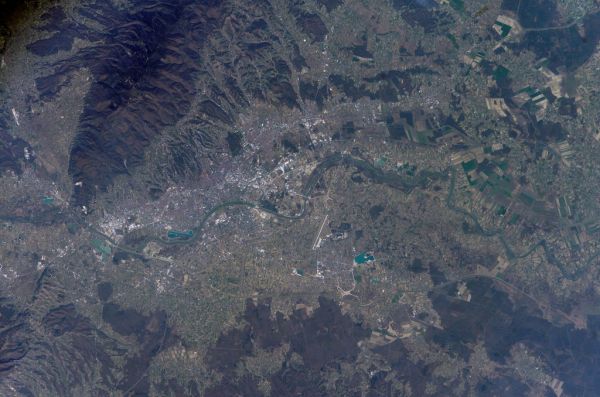
| Address | Zagreb-Gornji Grad- Medveščak 10000, Croatia |
|---|---|
| Coordinates | 45.8144, 15.9780 |
| Category | City, Planning, Culture |
| Nearest city | Regional hub - biggest city in its area |
| Region | Zagreb, Croatia |
| Sources | geonames |
Zagreb Travel Guide: Best Things to Do
Zagreb is a city in Zagreb-Gornji Grad- Medveščak, Croatia, home to about 663,592 residents. This guide covers how to visit it, what to expect and how to build a day around it.
Zagreb at a Glance
- What it is: city (City)
- Where it is: Zagreb-Gornji Grad- Medveščak 10000, Croatia — coordinates 45.8144, 15.9780
- Why it is listed: a source-verified entry in the CollabsTravel master database, matched against official gazetteer and geographic records before publication
- Time needed: two to three days
- Best season: April-May and September-October for mild days and thinner crowds
Quick Facts
| Place type | City |
| Primary category | City |
| Also good for | Planning, Culture |
| County / region | Zagreb-Gornji Grad- Medveščak |
| Region / state | Zagreb |
| Country | Croatia |
| Postal address | Zagreb-Gornji Grad- Medveščak 10000, Croatia |
| Population | 663,592 |
| Coordinates | 45.8144, 15.9780 |
Why Zagreb Is Worth Visiting
Zagreb earns its place in this guide for a simple reason: it is a verified city in Zagreb, Croatia, and with roughly 663,592 residents it functions as a full-service base rather than a dot on the map - hotels, restaurants and transit all exist here. With 7 other verified places within 150 km, it anchors a cluster instead of standing alone. Visitors book it for planning, culture as much as for city. And unlike listicle recommendations, everything on this page - coordinates, category, sources - was checked against official records before publication.
About Zagreb
In plain terms, Zagreb is a city in the Zagreb-Gornji Grad- Medveščak area of Zagreb, Croatia that travellers book around city trips. It is a settled place of about 663,592 people, which means shops, fuel and basic services exist locally rather than only in the next county. Beyond its main draw, the record tags it for planning, culture too, so it rewards more than one kind of visit. Postal addressing runs through Zagreb-Gornji Grad- Medveščak (10000). Everything stated on this page comes from that verified record; where background history is quoted, the source is named at the end of the section.
The Story of Zagreb: History & Background
Zagreb ( ZAH-greb; Croatian: ) is the capital and largest city of Croatia. It is in the north of the country, along the Sava River, at the southern slopes of the Medvednica mountain. Zagreb stands near the international border between Croatia and Slovenia at an elevation of approximately 158 m (518 ft) above sea level. At the 2021 census, the city itself had a population of 767,131, while the population of the Zagreb metropolitan area is 1,086,528.
The oldest settlement in the vicinity of the city was the Roman Andautonia, in today's Šćitarjevo. The historical record of the name "Zagreb" dates from 1134, in reference to the foundation of the settlement at Kaptol in 1094. Zagreb became a free royal city in 1242. In 1851, Janko Kamauf became Zagreb's first mayor. Zagreb has special status as a Croatian administrative division—it comprises a consolidated city-county (but separate from Zagreb County), and is administratively subdivided into 17 city districts. Most of the city districts lie at a low elevation along the valley of the river Sava, whereas northern and northeastern city districts, such as Podsljeme and Sesvete districts are spread out across the foothills of the Medvednica mountain, making the city's geography rather diverse. The city spans about 30 km from east to west, while stretching about 20 km from north to south. Zagreb ranks as a global city, with a 'Beta-' rating from the Globalization and World Cities Research Network.
The transport connections, concentration of industry, and scientific and research institutions and industrial tradition underlie Zagreb's leading economic position in Croatia. Zagreb is the seat of the central government, administrative bodies, and almost all government ministries. Almost all of the largest Croatian companies, media, and scientific institutions have their headquarters in the city. Zagreb is the most important transport hub in Croatia: here Central Europe, the Mediterranean and Southeast Europe meet, making the Zagreb area the centre of the road, rail and air networks of Croatia. It is a city known for its diverse economy, high quality of living, museums, sporting, and entertainment events. Major branches of Zagreb's economy include high-tech industries and the service sector.
Lead passage from the Wikipedia article "Zagreb", reused under CC BY-SA 4.0 with a coordinate-verified name match; the source article carries the full referenced history.
The Beauty of Zagreb
What people mean when they call Zagreb beautiful is usually street life: main-street architecture, local signage and the evening rhythm that makes a town photogenic rather than just populated. The light does most of the work: mid-latitude light gives the place two looks: clean blue summer noon and a low amber angle in spring and autumn. The seasons restyle everything around it - stone and brick hold their colour year-round; what changes is crowd density and the angle of light down the main streets. And the beauty compounds with context: with 7 other verified places nearby, the Zagreb-Gornji Grad- Medveščak area reads as one continuous landscape rather than a single viewpoint, which is worth more than any filter on the photos you take here.
Getting There
Zagreb sits at 45.8144, 15.9780 in Zagreb-Gornji Grad- Medveščak, Croatia. Most visitors reach it by car, regional rail or local transit; pin the coordinates above rather than only the name - Zagreb names repeat across regions, and rural entries often lack street addresses.
The nearest postal locality is Zagreb-Gornji Grad- Medveščak (10000), which is what local directions and navigation apps will reference.
Best Time to Visit
Late spring to early autumn (May to September) brings the warmest and most reliable conditions across Croatia. Shoulder months just before and after that window trade a little weather for noticeably lower prices and thinner crowds.
Zagreb Season by Season
- Summer (Jun-Aug) - peak season: the warmest, longest days and everything open, which also makes it the priciest and busiest window
- Autumn (Sep-Nov) - shoulder season: crowds drain away, the light turns photographic, and lodging rates typically fall
- Winter (Dec-Feb) - off-season: cheapest beds and empty viewpoints, but check for closures, snow or rain before committing
- Spring (Mar-May) - rebuild season: wildflowers, newborn wildlife and reopened facilities - the best balance if the weather holds
Things to Do
Planning what to actually do at Zagreb comes down to the setting it sits in:
- Arrive with the exact coordinates (45.8144, 15.9780) pinned in your maps app — rural place names repeat across states
- Cluster the old downtown/core district on foot and save the car for outlying attractions
- Check the city's event calendar the week before — festivals redefine parking and hotel rates
- Look for the free walking-tour or visitor centre as the fastest orientation
- Chain the stop with what is nearby — see the list below before fixing your day route
None of this needs a rigid schedule - the honest pattern at Zagreb is one anchor at the historic core or main square, one longer stop, and the rest of the time left for whatever looks better from the car window. That flexibility is what separates a good half-day from a rushed one.
A Perfect Day in Zagreb
Morning (start early). Have breakfast at Zagreb and roll out before mid-morning - the light is softer, parking is open, and Zagreb is at its quietest before the day-trippers arrive. Give the main stop its full due first rather than saving it for later.
Midday. From Zagreb, Plaza Josipa Jelačića is only 0 km away - pair the two rather than driving home for lunch; a picnic beats a reservation near most of these spots.
Afternoon. Keep going to Petar Preradović square (0 km) if the group still has legs; it is the standard second half of this loop.
Golden hour. End at the main viewpoint, waterfront or main street as the light drops; this is the hour Zagreb is genuinely famous for locally, and it costs nothing.
Evening. Sleep at Zagreb unless the road out is long - leaving at dusk is the one mistake that can flatten an otherwise perfect day.
Know Before You Go to Zagreb
- Save the pin (45.8144, 15.9780) offline - reception in Zagreb-Gornji Grad- Medveščak is exactly as good as it needs to be and no better
- Check the official source listed at the bottom of this page for current hours, fees and closures before driving out
- Weekend events and holidays reshape parking and opening hours; scan the local calendar
- Peak-season ticket slots sell out - reserve timed entry if one exists
- Urban scale changes the game: transit passes beat car rentals inside the centre
Nearby Places Worth Combining
Zagreb does not sit in isolation - these verified places are all within a short hop and combine into a full loop:
- Plaza Josipa Jelačića — landmark, about 0 km (0 mi) away
- Petar Preradović square — landmark, about 0 km (0 mi) away
- Jankomir — city, about 7 km (4 mi) away
- Odra — city, about 9 km (6 mi) away
- Lučko — city, about 10 km (6 mi) away
- Hrvatski Leskovac — city, about 10 km (7 mi) away
- Sesvete — city, about 11 km (7 mi) away
Planning More of Your Trip
See everything in Croatia on the Croatia country hub, browse the full City Croatia collection, or take in the whole Zagreb region.
Frequently Asked Questions
Is Zagreb worth visiting?+
Yes, if you are in the area for more than a single day. Zagreb is a verified city in Zagreb, Croatia that most drive-by lists miss, and the official-record provenance behind this page means the location, name and access facts are checked rather than guessed. Give it two to three days.
Where exactly is Zagreb?+
Zagreb sits at Zagreb-Gornji Grad- Medveščak 10000, Croatia, coordinates 45.8144, 15.9780. The postal locality is Zagreb-Gornji Grad- Medveščak - use the coordinates rather than the name alone, because place names repeat across regions and a map pin beats a keyword search.
How far is Zagreb from the nearest city?+
The nearest named base on this guide is close enough that distance is not the constraint; the Quick Facts table lists the exact road-town km, and every place here is reachable as a same-day loop from a regional hub.
What is the best time to visit Zagreb?+
April-May and September-October for mild days and thinner crowds. Book the shoulder months either side of that window for the same scenery at lower prices, and check seasonal closures before fixing dates.
How long do you need at Zagreb?+
Plan on two to three days for a first visit - the highlights at a normal pace without rushing. Add another half day if you want to combine it with the nearby places listed above.
Is Zagreb good for families with kids?+
Yes - short distances, services nearby and the flexibility to bail after an hour all make Zagreb a realistic family stop. The main kid-risk is over-scheduling: one anchor per day beats three.
Does Zagreb cost anything to visit?+
Walking around Zagreb is free; the museums, attractions and tours that make the visit deeper are paid, and booking timed entry online is almost always cheaper and always faster.
What is near Zagreb?+
The closest verified neighbour is Plaza Josipa Jelačića; the nearby list above has the full set with distances, and combining two or three of them is the standard way to fill a day around Zagreb.
Is Zagreb open to visitors, and do you need a permit?+
Public places listed here are visitable by default; the permit exceptions are usually specific activities (backcountry camping, drones, commercial photography) rather than the visit itself. Check the cited official source for anything activity-based.
Should you visit Zagreb in bad weather?+
Rain reshapes rather than ruins the day - viewpoints become cloud-scapes and trails get muddy. Keep Zagreb as a fair-weather item on your trip and swap in the covered alternatives from the regional list when the forecast turns.
What makes Zagreb different from other places like it?+
Its exact combination: a city in Zagreb, Croatia with verified coordinates and, where listed, an official designation. The difference is usually the setting and the access pattern rather than the category label - the facts table on this page shows that specifically.
Can you visit Zagreb as a day trip?+
Yes - at two to three days on site, a day loop is realistic: morning at Zagreb, one nearby stop, and home by evening. The Perfect Day section above has the hour-by-hour version.
What is Zagreb known for?+
In the wider record, city-class place: Zagreb ( ZAH-greb; Croatian: ) is the capital and largest city of Croatia. This guide adds the practical layer - verified coordinates, access, seasonality and what to combine it with.
What is the most beautiful thing about Zagreb?+
The honest short answer is in The Beauty of Zagreb section above, but distilled: what people mean when they call zagreb beautiful is usually street life: main-street architecture, local signage and the evening rhythm that makes a town photogenic rather than just populated. Come for the light and the setting rather than a single checklist object.
Is Zagreb crowded?+
Zagreb sits below the headline-name tier in its region, so crowding is an event-and-weekend problem rather than a standing one. Weekday mornings in the shoulder season are the quietest version of the visit.
What is the history of Zagreb?+
The sourced background above places documented events for Zagreb around 2021 at the earliest point its article dates; for the full timeline with references, the linked Wikipedia article is the primary trail and this guide keeps the practical travel layer on top of it. ## Source Verification This guide's facts come from official public datasets: [Geonames record 3186886](https://www.geonames.org/3186886). Location data is reviewed in per-state batches before publication.
Nearby destinations
Plaza Josipa Jelačića
Landmark · Zagreb-Gornji Grad- Medveščak · Zagreb
Petar Preradović square
Landmark · Zagreb-Gornji Grad- Medveščak · Zagreb
Jankomir
City · Zagreb-Stenjevec · Zagreb
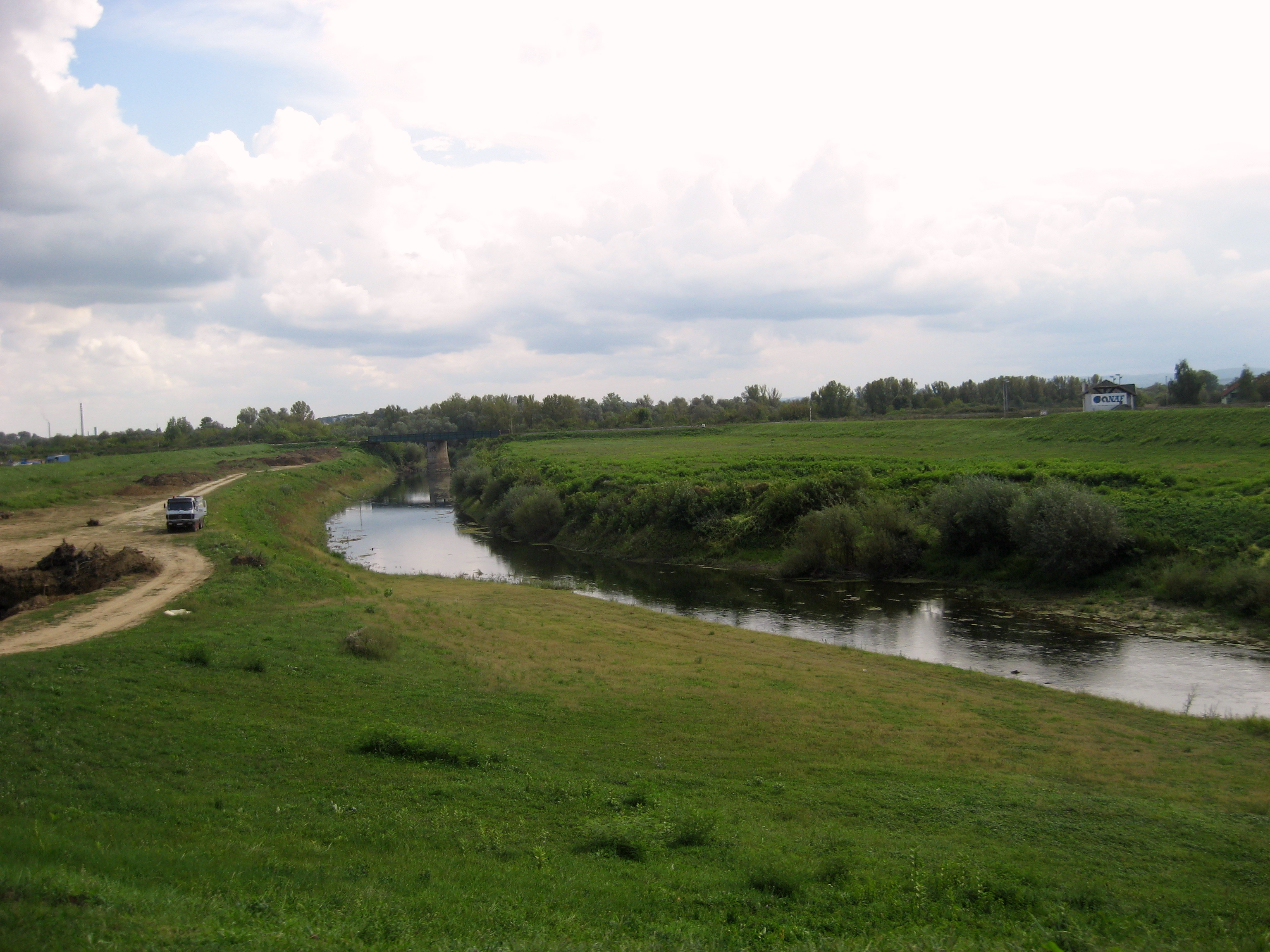
Odra
City · Odra · Zagreb
Lučko
City · Lučko · Zagreb
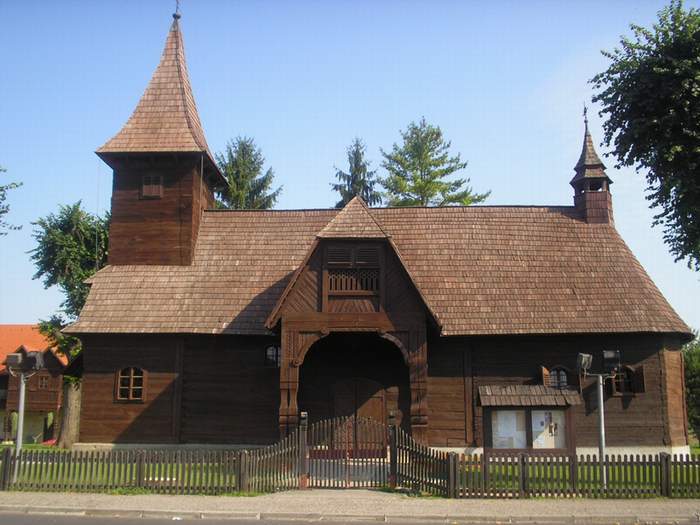
Velika Mlaka
City · Hrašće Turopoljsko · Zagreb County
Hrvatski Leskovac
City · Hrvatski Leskovac · Zagreb

Sesvete
City · Sesvete · Zagreb